

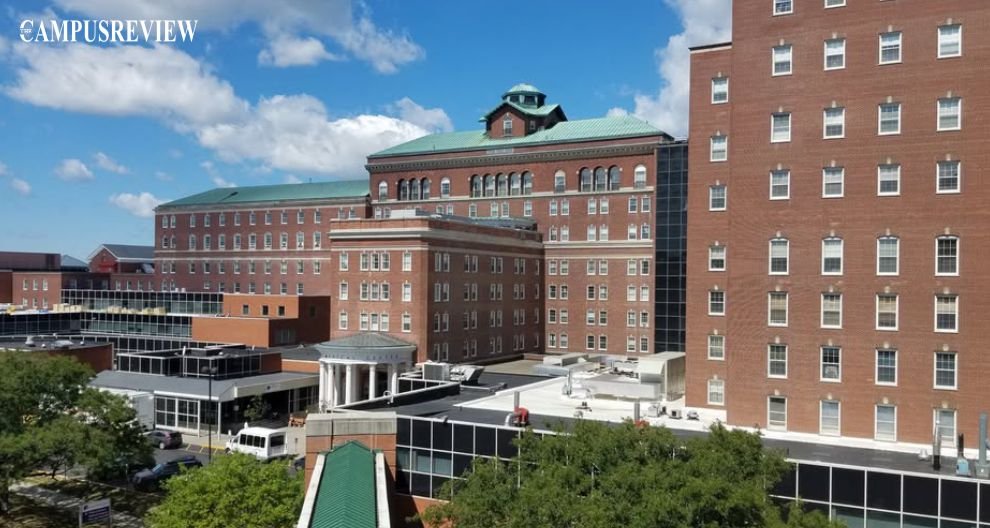
In the world of modern healthcare, few roles carry as much responsibility, precision, and trust as that of a nurse anesthetist. Every day, these professionals stand at the intersection of medicine and compassion, ensuring patients’ safety and comfort during some of the most critical moments of care. Behind their steady hands and calm confidence lie years of rigorous training and a deep commitment to excellence. Albany Medical College has been one of the institutions shaping that journey for generations.
Since 1951, Albany Medical College has been home to one of the nation’s longest-standing nurse anesthesia programs, now known as the Center for Nurse Anesthesiology (CNA). The program was founded with a clear purpose: to educate and prepare competent, entry-level nurse anesthesia practitioners who combine knowledge with empathy in their practice. Over time, the CNA has evolved into a respected center that not only produces skilled clinicians but also nurtures leaders who understand the changing demands of healthcare.
At its foundation, the CNA believes that Certified Registered Nurse Anesthetists (CRNAs) should uphold the highest professional, moral, and ethical standards. This philosophy extends beyond technical ability and calls for accountability, sound judgment, and a commitment to the quality of care delivered. Students are encouraged to think critically, understand the factors that shape their practice, and embrace their growing role in the healthcare system.
For Albany Medical College’s Center for Nurse Anesthesiology, achievement is not measured by credentials alone. It is reflected in the integrity, confidence, and compassion of its graduates, who carry forward a legacy of service and leadership in every operating room, hospital, and community they touch.
A Rigorous Pathway to Practice and Leadership
The Center for Nurse Anesthesiology at Albany Medical College offers a Doctor of Nursing Practice (DNP) program that builds the knowledge, skill, and character needed for today’s Certified Registered Nurse Anesthetists. Over three years, students move through a structured curriculum that blends academics with clinical application. Each academic year begins in May and includes three 16-week terms that balance classroom learning with hands-on experience. The program places equal emphasis on clinical excellence, ethical responsibility, and leadership development, preparing graduates to meet the challenges of an evolving healthcare environment.
The DNP curriculum stands out for its use of diverse learning methods, including classroom instruction, virtual sessions, gaming techniques, and interactive simulations. Within the Patient Safety and Clinical Competency Center, students practice essential procedures and respond to realistic scenarios, from IV placement to managing emergencies in the operating room. The cadaver lab, supported by the Anatomical Gift Program, deepens their understanding of anatomy through direct study.
Clinical training is central to the program. Albany Medical Center serves as the primary site, supported by additional clinical affiliations across the Northeast that broaden students’ experience. Graduates also meet the educational standards required to sit for the Acute Care Nurse Practitioner board exam, giving them a strong professional advantage.
Guidance Rooted in Experience and Vision
At the Center, leadership plays a defining role in shaping both the program and its people. Under the guidance of Dr. Jodi Della Rocca, the center continues to grow as a place where curiosity, discipline, and compassion come together. Known for her thoughtful approach to education and her steady leadership, Dr. Della Rocca encourages students to see learning as a lifelong process rather than a fixed goal. Her message to every student is simple yet powerful: “Our field is continually evolving, and we enjoy keeping pace with that. Trust the process.”
This belief reflects the essence of the center’s philosophy. Nurse anesthesia is not static; it changes with every advancement in medicine and technology. Dr. Della Rocca’s guidance fosters a mindset that welcomes change instead of fearing it. By creating a learning culture built on trust and adaptability, she and her faculty help students grow into confident professionals who are ready to serve patients with both skill and empathy. Under her leadership, the Center for Nurse Anesthesiology continues to prepare practitioners who are not only technically capable but also deeply committed to improving patient care with every decision they make.
Commitment to Excellence and Proven Outcomes
The Center for Nurse Anesthesiology’s success can be measured by more than its long-standing reputation. In 2019, the program was granted a full 10-year accreditation, the longest cycle awarded by the Council on Accreditation of Nurse Anesthesia Educational Programs. This recognition reflects the center’s consistent dedication to maintaining high academic and professional standards.
The average class size at the CNA is 25 students, allowing for personalized attention and meaningful interaction between faculty and students. For the Class of 2025, the results speak volumes about the program’s effectiveness. The class of 24 students achieved a first-time pass rate of 88 percent on the National Certification Examination (NCE). The attrition rate was 0 percent, showing strong student retention and support throughout the program. Within six months of graduation, every student in the class secured employment, marking a 100 percent placement rate.
These numbers underscore the center’s commitment to preparing graduates who are not only ready to pass national exams but are also fully prepared to step into demanding clinical roles. Each statistic represents the result of focused training, mentorship, and the shared belief that excellence in education leads to excellence in patient care.
A Selective and Supportive Path to Admission
Admission to the Center for Nurse Anesthesiology is designed for experienced nurses who are ready to take the next step in their professional journey. The program invites applications from registered nurses with a strong background in critical care who hold a bachelor’s degree in nursing or a related science field. The selection process reflects the center’s commitment to academic excellence, clinical readiness, and professional maturity.
Applicants are expected to have a minimum GPA of 3.2 and at least two years of experience as a registered nurse in a critical care setting. Additional requirements include current CCRN certification, completion of courses in research methods and organic chemistry, and valid certifications in Basic Life Support, Advanced Cardiac Life Support, and Pediatric Advanced Life Support. Candidates must also complete the GRE and shadow a Certified Registered Nurse Anesthetist in an operating room to gain firsthand insight into the profession.
While the admissions process is rigorous, the center also strives to support students through financial aid and scholarships. Assistance is available through Albany Medical College’s Financial Aid Office, with additional scholarship opportunities offered by the Department of Anesthesia. Together, these resources help ensure that financial barriers do not stand in the way of deserving applicants.
Collaboration and Leadership at Every Level
The Center for Nurse Anesthesiology thrives on a culture of collaboration where leadership is shared, and every voice matters. Faculty and students play active roles on committees across Albany Medical College, contributing to decisions that shape both the academic and clinical environment. This approach ensures that the Certified Registered Nurse Anesthetist community remains engaged in meaningful dialogue about education, ethics, and patient care.
By participating in institutional committees, students gain valuable insight into how policies are formed and how collaborative leadership directly impacts patient safety and educational quality. These opportunities extend learning beyond the classroom, allowing future CRNAs to develop a deeper understanding of teamwork and accountability in healthcare systems.
For faculty, this involvement strengthens mentorship and ensures that student perspectives are represented in institutional planning. Together, these efforts create a well-rounded learning environment that promotes inclusion, professional growth, and a shared commitment to excellence. The center’s collaborative structure not only keeps operations running smoothly but also reinforces a core belief that strong leadership begins with active participation and open communication.
A Supportive and Engaging Student Experience
Student life at Albany Medical College is designed to foster both personal well-being and academic success. The Office of Academic and Student Affairs plays a central role in creating a supportive environment where every student feels welcome, valued, and heard. From orientation to graduation, the office provides guidance, resources, and a reliable space for students to seek help, ensuring that no one navigates the journey alone.
The atmosphere across campus encourages open communication and mutual respect. Students are always welcome to bring forward questions or concerns related to academic policies, campus life, or available resources. This accessibility builds a sense of community and trust that helps students focus on what matters most: learning and professional growth.
Beyond academics, the college places strong emphasis on creating a pleasant and inclusive environment where students can develop confidence and resilience. Whether through peer connections, mentorship, or faculty support, CNA ensures that every student feels part of something larger than themselves. This balance of structure and support allows students to thrive both in and out of the classroom while preparing for the challenges and rewards of a demanding healthcare career.
A Culture of Diversity and Inclusion
Albany Medical College and the Albany Med Health System are deeply committed to fostering an environment that values diversity, equity, and inclusion. The Center for Nurse Anesthesiology reflects this commitment by welcoming students from a wide range of backgrounds and experiences, recognizing that diversity strengthens learning and enhances patient care. Every individual is encouraged to bring their unique perspective to the classroom and clinical setting, creating a richer and more empathetic learning community.
This dedication to inclusion extends beyond words. Albany Medical Center was recognized as one of America’s Greatest Workplaces for Diversity 2024 by Newsweek and Plant-A Insights Group, a distinction that highlights its efforts to create a respectful and supportive workplace and academic culture. For international students, this means becoming part of an institution that values global perspectives and provides the support needed to succeed both academically and personally.
Comprehensive Support for Student Success
The Center for Nurse Anesthesiology ensures that every student receives the guidance and support needed to thrive both during the program and after graduation. A wide range of student services is available to help future Certified Registered Nurse Anesthetists plan their careers with confidence and purpose. Career planning sessions guide students in setting clear professional goals, while resume-building workshops help them present their skills and achievements effectively.
Networking is another key aspect of student support. The program encourages active participation in both national and state meetings, giving students the opportunity to connect with practicing professionals, potential employers, and leaders in the field of nurse anesthesia. Mentorship also plays an important role, with every student paired with both a faculty mentor and a peer mentor. These relationships foster professional growth, personal development, and a sense of belonging that continues well beyond graduation.
Advancing Knowledge Through Research
Research is an integral part of the CNA’s mission to advance clinical practice and improve patient care. Faculty and students actively engage in research projects at the local, state, and national levels, contributing valuable insights to the field of nurse anesthesia. These projects not only expand academic knowledge but also enhance the everyday practice of anesthesia care.
The center’s research covers a wide range of topics that reflect real-world challenges in healthcare. Areas of study have included understanding providers as the second victim, improving interprofessional communication, strengthening emotional intelligence among healthcare teams, and exploring the use of various medications to enhance patient outcomes.
Through this commitment to research, the CNA encourages critical thinking, collaboration, and innovation. Each study serves as an opportunity for students and faculty to work together toward a common goal of delivering safer, smarter, and more compassionate patient care.
Looking Ahead with Purpose and Progress
The Center for Nurse Anesthesiology continues to look forward with a clear focus on enhancing every aspect of the student experience. Faculty members remain deeply committed to improving curriculum delivery, strengthening clinical opportunities, and maintaining high levels of student satisfaction. Progress is not left to chance but built through consistent reflection, collaboration, and a willingness to evolve.
At the end of each semester, faculty and students meet to review the term, encouraging open discussion about what worked well and what can be improved. Clinical experiences are continually assessed to ensure they meet current standards, while new and diverse opportunities are actively pursued. The center also supports students financially when they present or attend state and national meetings, helping to reduce the financial barriers that can come with professional engagement. Through these ongoing efforts, the CNA ensures that its graduates remain prepared, confident, and equipped to lead in a changing healthcare landscape.
Quote
“Trust the Process…Our field is continually evolving, and we enjoy keeping pace with that.”
Also Read : The Elite Nursing Institutions of 2025

