

People choose a university because they want more than a degree. They want a place that helps them understand the world and their place in it. They look for classrooms where ideas feel alive, where conversations stay honest, and where learning connects to real experiences. Many institutions have tried to meet these needs by reshaping programs and creating environments that support personal growth as much as academic success. These efforts reflect a growing belief that students need more than job skills. They also need empathy, awareness, and a sense of responsibility for the communities they will one day serve.
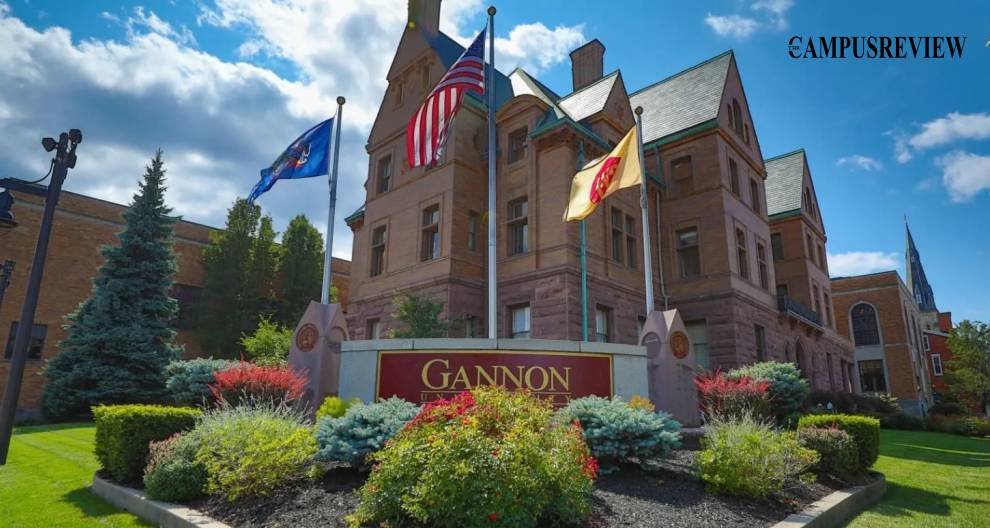
During this broader shift, one university recognized the need for a space that could bring together the study of culture, learning, and human behavior. In 2008, after a major academic reorganization, Gannon University created a new academic home dedicated to these ideas. This became Gannon University’s College of Humanities, Education, and Social Sciences, known across campus as CHESS.
CHESS grew into a community built on open dialogue and respect for different traditions. Students and faculty study cultural, artistic, religious, and scientific ideas, then connect them to modern challenges. This approach helps students build lives that feel meaningful and grounded in strong values.
The college follows a mission focused on intellectual energy, interdisciplinary collaboration, and a supportive culture that lifts every learner. It encourages students to engage with their communities and develop habits that guide them toward ethical leadership.
Several accomplishments show this mission in action. The Applied Intelligence program and the Anti-Money Laundering Certificate began in 2022. A Bachelor of Fine Arts in Acting will launch in 2026. The accredited Social Work program has earned recognition as one of the strongest in Pennsylvania. CHESS also hosts the Northwest Pennsylvania Humanities and Social Sciences Conference. Through this work, the college continues to prepare students for thoughtful and responsible lives.
Academic Programs That Shape Confident Thinkers
CHESS offers programs designed to help students think clearly, communicate well, and solve problems with confidence. Every program begins with the same foundation. Students learn logical reasoning, critical thinking, and strong communication skills. Faculty members strengthen these skills through hands-on learning that encourages curiosity and real-world understanding.
Several programs stand out for the opportunities they create. The BFA in Acting gives students focused training in performance and creative expression. Applied Intelligence and the Anti-Money Laundering Certificate prepare learners for careers that require careful decision-making and an understanding of complex global issues. The Public Relations, Advertising, and Social Media program helps students develop strategic communication skills needed in today’s digital environment.
Other offerings support students who want to serve communities or study human behavior. These include the Master of Public Administration, the Master of Science in Clinical Mental Health Counseling (CMHC), and the Psychology Bachelor of Science which prepares students for research-oriented graduate programs, and the Psychology Bachelor of Arts, which feature a 4+2 option that provides an accelerated pathway into the CMHC program. Digital Media, Social Work, and Criminal Justice prepare students for growing fields. The college also offers sixteen Education programs approved by the Pennsylvania Department of Education.
Leadership That Inspires Meaningful Learning
Strong leadership shapes the character of a college, and the direction of CHESS reflects that clearly. Dean Lori Lindley, Ph.D., brings a steady and thoughtful presence to the college. She works closely with faculty to create learning environments where students feel encouraged to question, reflect, and grow. Her leadership style is warm and intentional, rooted in the belief that education should help students understand both themselves and the world around them.
Dean Lindley often speaks about the value of studying people, culture, and society. She sees these fields as essential for building awareness, empathy, and a sense of responsibility that students carry into their communities. Her message to students and families captures the heart of this vision.
She shares, “Our programs invite students to explore the world through diverse perspectives and experiences. Grounded in the humanities, they foster global citizenship, cultural understanding, and leadership through study and service. Guided by expert, engaged faculty, students join vibrant learning communities that challenge them to think deeply about the human experience while growing personally and professionally. We invite you to explore our programs and discover the possibilities that await.” Her leadership continues to guide the college’s mission with clarity and purpose.
A Clear and Supportive Admissions Path
Gannon University keeps its admissions process straightforward and student-focused. The School of Public Service & Global Affairs follows the university’s standard criteria, which look at academic preparation, overall potential, and a student’s readiness for college-level learning. Applicants submit their academic records and any achievements that reflect their motivation and commitment. The goal is not to judge students by a single score but to understand who they are and how they can grow within the university community.
This approach aligns with Gannon’s belief that education should create opportunity. The admissions team looks for curiosity, effort, and a willingness to learn. Students who are passionate about service, leadership, and global engagement find an environment that encourages them to build on their strengths.
Financial support is an essential part of this commitment. More than 95% of Gannon students receive aid in the form of scholarships, grants, or other awards. The university reviews each student as a whole person, taking into account demonstrated need, financial circumstances, academic accomplishments, and special talents. This holistic view helps students from low-income families access the resources they need to pursue higher education with confidence.
A Leadership Structure Built for Collaboration
CHESS operates through a leadership model that keeps students, faculty, and academic quality at the center of every decision. The college is guided by Dean Lori Lindley, Ph.D., whose role is to shape the vision and direction of the college while ensuring that each program continues to grow. She is supported by two associate deans who oversee key areas of academic life. Julia Mack, Ph.D., leads curriculum and instruction, helping programs stay current, engaging, and aligned with industry needs. Leighann Forbes, Ed.D., focuses on faculty development, creating opportunities for professors to strengthen their teaching practices and research efforts.
This core leadership team works closely to support students and faculty in meaningful, practical ways. They monitor academic standards, streamline processes, and encourage a culture of continuous improvement. Their work ensures that classrooms remain dynamic places where critical thinking, communication, and creativity thrive.
The college is further organized into seven academic departments, each led by a dedicated faculty chair. These chairs join the associate deans to form the Dean’s Council, which serves as the central leadership body. Through open communication and shared responsibility, this council keeps operations smooth and responsive to the needs of the entire campus community.
A Campus Life Shaped by Voice, Discovery, and Community
Student life in the College of Humanities, Education, and Social Sciences grows from a culture that values participation and meaningful connection. One of the clearest examples is the college’s student advisory board, which brings together faculty-recommended representatives from each major. The dean meets with these students on a regular basis, listens to their concerns, and shows them how their ideas influence real changes. It gives students a direct line to leadership and helps them feel invested in the life of the college.
Clubs and organizations also play a strong part in shaping the CHESS experience. Students join groups tied to their fields of study, including several media organizations run entirely by students. These spaces give students a chance to test their skills, collaborate with peers, and build confidence in professional environments.
The college continues to expand opportunities for research, travel, and academic exploration. Students present at conferences, complete fellowships in Washington, produce Gannon’s literary-art magazine Totem, and take part in events like the Western PA Undergraduate Psychology Conference. This year, under the guidance of a faculty member, students will be reviving and publishing the Anthology of Erie Poets. Learning abroad is another highlight, with recent trips to Jordan, Chile, Ghana, and Scotland. Since 2020 the college has also welcomed a Fulbright French language teaching assistant each year, which adds a global perspective to campus life.
A Community That Welcomes Every Voice
CHESS works to create an environment where every student feels seen, supported, and included. One of its most visible efforts is the annual CHESS Speaker Series, which brings a wide range of cultural and academic events to campus. Students attend concerts, dance and theater performances, panel discussions, and hands-on workshops that introduce them to ideas and experiences from around the world. The college also partners with the Jefferson Educational Society in Erie, giving students the chance to hear from leading historians, scientists, and global figures, including former presidents. These events spark conversation and help students understand different cultures and perspectives.
The college also supports diversity through its strong connection with Gannon’s Justice, Community and Solidarity Office, as well as the Office of Global Support and Student Engagement. These partnerships help students from diverse backgrounds find resources, build community, and adjust to life on campus. CHESS also collaborates with the university’s English as a Second Language program. This provides guided language support that helps international and new American students feel confident in the classroom and in daily interactions.
Together, these efforts create a welcoming environment that encourages open dialogue, cultural understanding, and a sense of belonging for students, faculty, and staff.
Support That Builds Confidence and Career Direction
Students in the College of Humanities, Education and Social Sciences have access to a range of support systems that help them grow both personally and professionally. One example is the CHESS Mentorship Program. Students are placed in small groups and paired with mentors who work in fields they hope to enter. These mentors include clinical psychologists, professional writers, faculty from other institutions, and leaders from nonprofit and private organizations. The program helps students learn from real experiences while expanding their professional networks.
The college also works closely with Gannon’s Academic and Career Development Office. This relationship gives students access to career counseling, planning tools, and campus events that connect them with employers. Each year, the office hosts a career fair that draws local organizations seeking students who excel in communication and critical thinking. Students can also join IgKnight 90, a mentoring program that matches them with professionals active in their areas of interest.
Additional opportunities come through conferences and field events. Students attend gatherings such as the Intelligence Conference, which focuses on advancements in Applied Intelligence, the NWPA Humanities and Social Sciences Conference, and the Northeast Modern Language Association (NeMLA) Convention. A group of students in the university’s Minor in Innovation and Creativity also recently created a networking event with local alumni to support CHESS students.
Student Media That Inspire Creativity and Leadership
Student-led media outlets play a meaningful role in shaping the creative life of CHESS. These platforms give students the chance to explore broadcasting, publishing, writing, design, and management while working in supportive, hands-on environments. They learn by doing, which helps them grow more confident in their skills and more prepared for future careers.
90.5 WERG is one of the most recognized examples. This student-run station has been part of campus life and continues to earn national awards from the Intercollegiate Broadcasting System. It has received the title of Best College Station in the Nation several times for schools under ten thousand students, with its most recent win in 2024. Students run every part of the station and learn how to manage shows, produce audio, and connect with an audience.
Totem offers a space for creativity across many genres. Published each spring, it features literary and artistic work from students, faculty, staff, and alumni. It has earned first place in the American Scholastic Association Magazine Contest multiple times, which highlights the strength of its community of writers and artists.
The Gannon Knight adds another layer to student expression. This digital newspaper covers campus life, local events, national news, the arts, and opinion writing. It has gained wider visibility through the University of Vermont’s Center for Community News and the Community News Wire Service. Students who work with The Gannon Knight learn how to report responsibly, collaborate effectively, and shape stories that matter.
A Future Built on Global Collaboration and Real-World Impact
CHESS is preparing for a future shaped by global partnerships and hands-on learning. A new Memorandum of Understanding with the University of Huddersfield in England will open doors for collaborative research and shared academic opportunities. This agreement strengthens post-graduate programs in Justice Studies and Investigative Psychology while giving students and faculty more chances to engage in practitioner-led research.
The college also continues its role as the administrative host of the Northeast Modern Language Association. Through NeMLA, students gain experience in communications, marketing, event planning, and member support. Graduate students can pursue fellowships, and the annual conference offers exposure to new scholarly work.
Alongside these initiatives, CHESS is expanding paid internships with corporate and nonprofit partners throughout Erie, creating more pathways for students to gain practical experience and connect with the local community.
- Learn more about Gannon University’s College of Humanities, Education, and Social Sciences at https://www.gannon.edu/academic-offerings/humanities-education-and-social-sciences/
Quotes
“Success truly begins when you choose yourself.”
“Think about what you love to do, where you imagine yourself working, or what you want to accomplish in the future. It’s all possible at Gannon.”

