Greenland is the world’s largest island, covering about 2.17 million square kilometres, followed by New Guinea and Borneo. While Greenland is covered largely by ice, New Guinea and Borneo are known for their tropical rainforests.
Australia is excluded because geographers classify it as a continent.
This guide ranks the world’s 10 largest islands by area, comparing their sizes, locations, and countries, along with interesting facts about their geography and formation.
Top 10 Largest Islands in the World
The 10 largest islands by area are Greenland, New Guinea, Borneo, Madagascar, Baffin Island, Sumatra, Honshu, Victoria Island, Great Britain, and Ellesmere Island. The table ranks them by island land area.
| Rank | Island | Area (sq mi) | Country |
| 1 | Greenland | 836,330 | Kingdom of Denmark (autonomous territory) |
| 2 | New Guinea | 317,150 | Indonesia and Papua New Guinea |
| 3 | Borneo | 288,869 | Indonesia, Malaysia and Brunei |
| 4 | Madagascar | 226,756 | Madagascar |
| 5 | Baffin Island | 195,928 | Canada |
| 6 | Sumatra | 171,069 | Indonesia |
| 7 | Honshu | 87,992 | Japan |
| 8 | Victoria Island | 83,896 | Canada |
| 9 | Great Britain | 80,823 | United Kingdom |
| 10 | Ellesmere Island | 75,767 | Canada |
Different sources count small nearby islands differently. This table follows Britannica.
1. Greenland
Area: 2,166,086 km² (836,330 sq mi)
Location: North Atlantic and Arctic Oceans, northeast of North America
Wildlife and Animals: Greenland is home to polar bears, Arctic foxes, reindeer, musk oxen, Arctic hares, seals, and whales. Its cold waters also support narwhals and beluga whales.
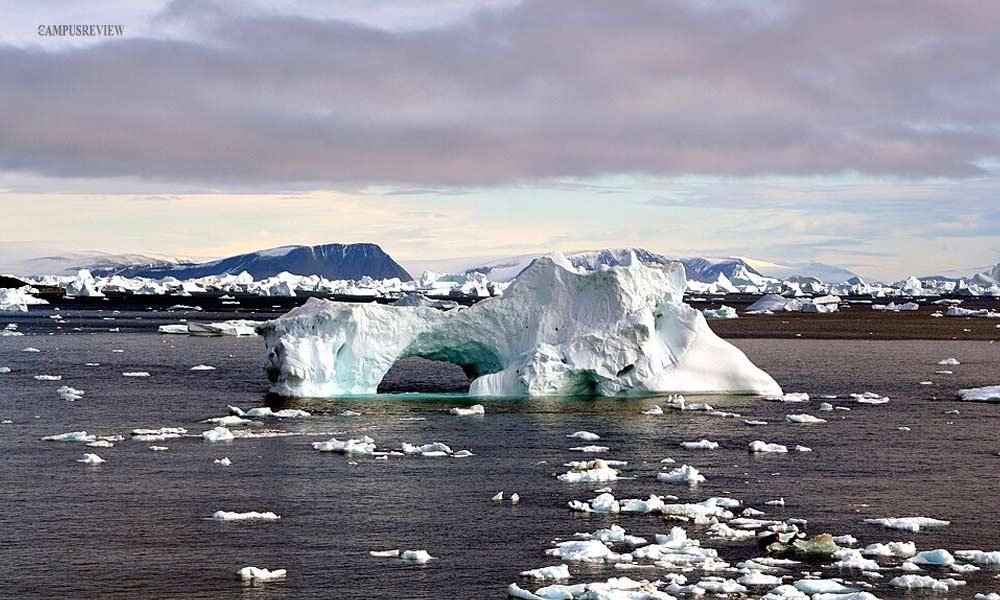
Greenland governs itself as part of the Kingdom of Denmark. Ice covers about 80 percent of the land and reaches more than 3,000 meters thick in places.
Greenland is the largest island on Earth. People live only along the rocky coast, mostly in the southwest near the capital, Nuuk. The island also has the tallest peak in the Arctic, Gunnbjørn Fjeld, at 3,694 meters.
2. New Guinea
Area: 821,400 km² (317,150 sq mi)
Location: Southwestern Pacific Ocean, north of Australia
Wildlife and Animals: New Guinea is home to tree kangaroos, cassowaries, birds-of-paradise, echidnas, crocodiles, and several species of parrots. Its tropical rainforests support some of the world’s richest biodiversity.
New Guinea is the largest tropical island on Earth. Indonesia holds the west, and Papua New Guinea holds the east. Only the shallow Torres Strait separates the island from Australia.
A mountain chain runs through the middle, and Puncak Jaya rises to 4,884 meters, the highest summit on any island. Heavy rain feeds thick rainforests that shelter rich wildlife and hundreds of languages.
3. Borneo
Area: 748,168 km² (288,869 sq mi)
Location: Maritime Southeast Asia, on the Sunda Shelf
Wildlife and Animals: Borneo is home to orangutans and Rafflesia arnoldii, a giant parasitic flower. Bornean pygmy elephants, proboscis monkeys, clouded leopards, sun bears, and hornbills. Its tropical rainforests support a wide variety of wildlife and plant species.
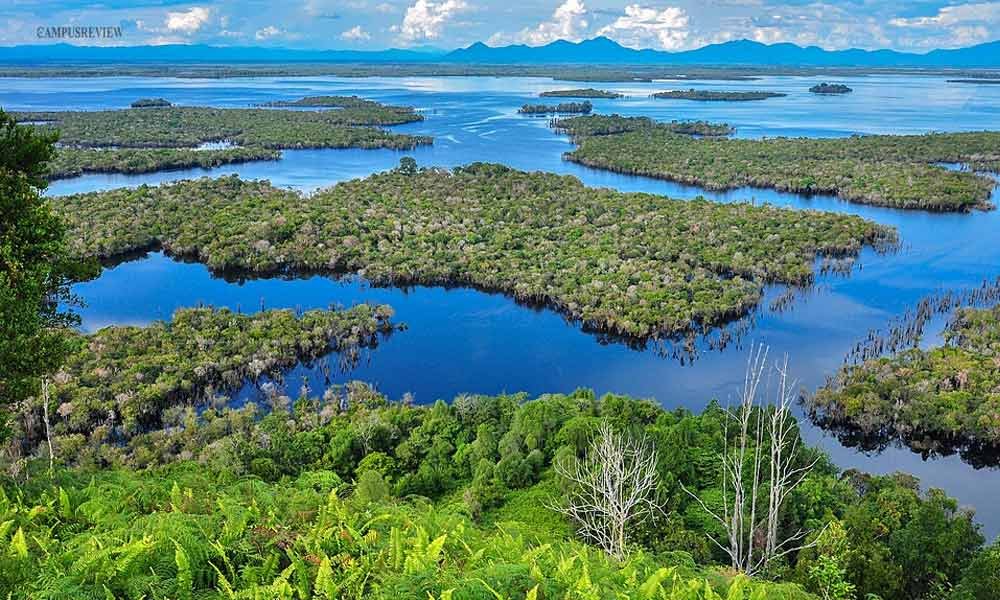
Borneo is the largest island in Asia. Three countries share it: Indonesia, Malaysia and Brunei. Its rainforest is about 140 million years old, which makes it one of the oldest on the planet. Swampy coastal forests rise to Mount Kinabalu, a granite peak of 4,095 meters.
4. Madagascar
Area: 587,295 km² (226,756 sq mi)
Location: Southwestern Indian Ocean, east of southern Africa
Wildlife and Animals: Madagascar is famous for its lemurs, chameleons, fossas, tenrecs and leaf-tailed geckos. Its forests are home to many unique species.
Madagascar split from Africa about 150 million years ago and from India about 88 million years ago. Millions of years alone gave its wildlife time to evolve in unique ways. About 90 percent of its native plants and animals live nowhere else, including all lemurs.
A high plateau runs down the middle. Wet rainforest covers the east, while dry spiny forests cover the south and west.
5. Baffin Island
Area: 507,451 km² (195,928 sq mi)
Location: Canadian Arctic Archipelago, Nunavut, Canada
Wildlife and Animals: Baffin Island is home to polar bears, Arctic foxes, caribou, Arctic hares, seals and walruses. Its coastal waters also attract narwhals and beluga whales.
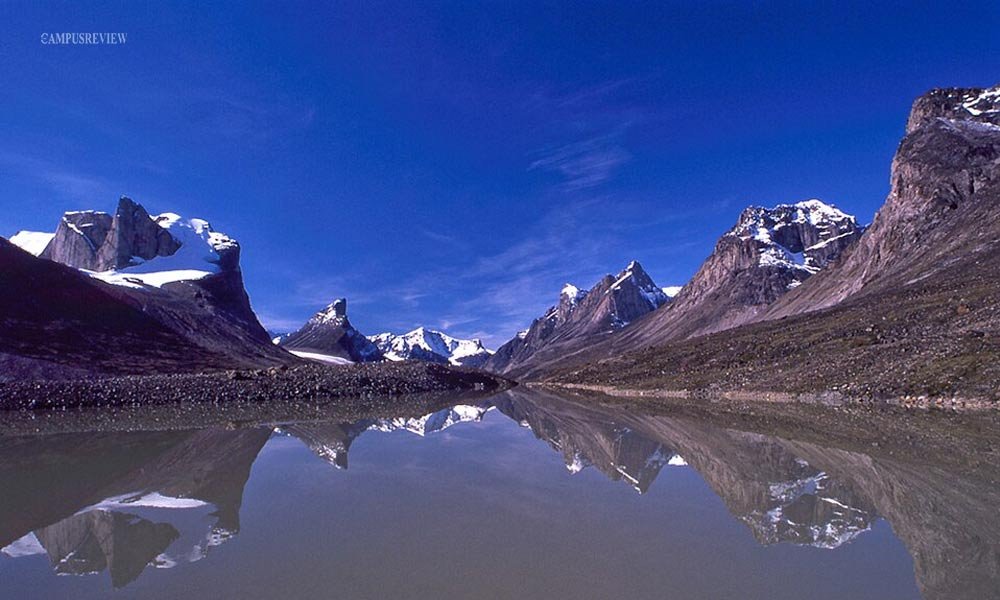
Baffin Island is the largest island in Canada. Glaciers, deep fjords and the Penny and Barnes ice caps shape the mountains in the east. Few people live here. Most stay in small Inuit coastal towns or in Iqaluit, the capital of Nunavut.
6. Sumatra
Area: 443,066 km² (171,069 sq mi)
Location: Western Indonesia, Indian Ocean
Wildlife and Animals: Sumatra is home to Sumatran tigers, orangutans, Asian elephants, Sumatran rhinoceroses, Malayan tapirs, and clouded leopards. Its tropical rainforests support many endangered species.
Sumatra is the largest island that sits fully inside Indonesia. The Bukit Barisan mountain chain runs about 1,700 kilometers along its west side.
Sumatra includes Mount Kerinci, Indonesia’s tallest volcano at 3,805 meters. Volcanoes form here because one tectonic plate dives under another along the Sunda Trench.
7. Honshu
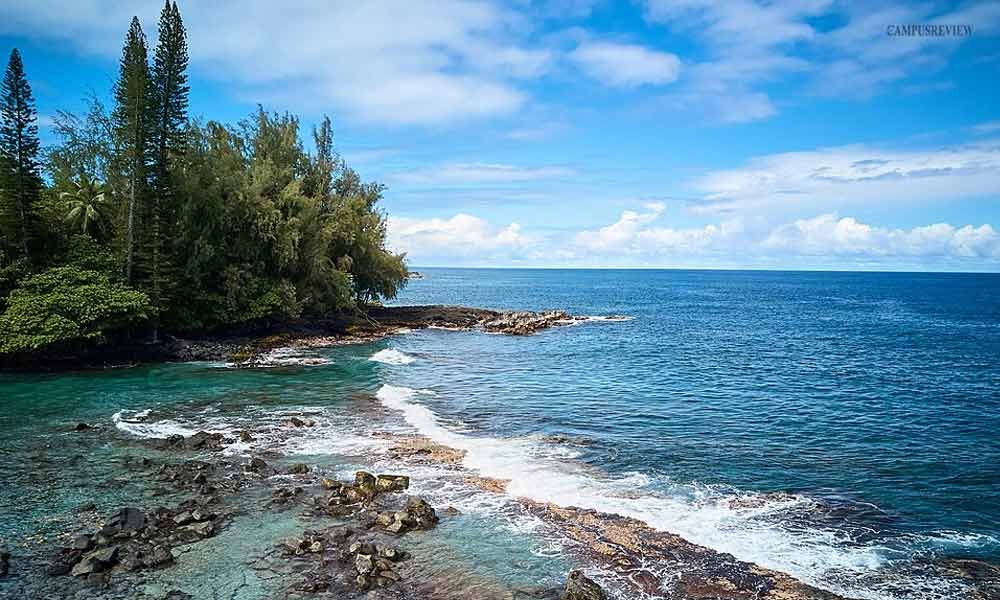
Area: 227,898 km² (87,992 sq mi)
Location: Northwestern Pacific Ocean, Japan
Wildlife and Animals: Honshu is home to Japanese macaques, Japanese serows, red foxes, Asiatic black bears, and sika deer. Its forests and mountains support diverse wildlife, including several native bird species.
Honshu is the largest and most crowded island in Japan. Most Japanese people live here, including the millions in the Greater Tokyo Area. The island sits on the Pacific Ring of Fire, so earthquakes and volcanoes shape daily life.
The Japanese Alps cross its middle, and Mount Fuji, at 3,776 meters, is its highest point. Lake Biwa, Japan’s largest freshwater lake, also lies here.
8. Victoria Island
Area: 217,291 km² (83,896 sq mi)
Location: Canadian Arctic Archipelago, Nunavut and the Northwest Territories, Canada
Wildlife and Animals: Victoria Island is home to Arctic foxes, musk oxen, caribou, polar bears, Arctic hares, and seals. Its tundra landscapes provide habitat for migratory birds, including geese and Arctic shorebirds.
Victoria Island is the second-largest island in Canada, and two territories share it. The land is flat, cold, and dry. Melting Ice Age glaciers left thousands of lakes behind.
The island has no commercial forests, and few people live here. Most residents stay in coastal hamlets such as Cambridge Bay.
9. Great Britain
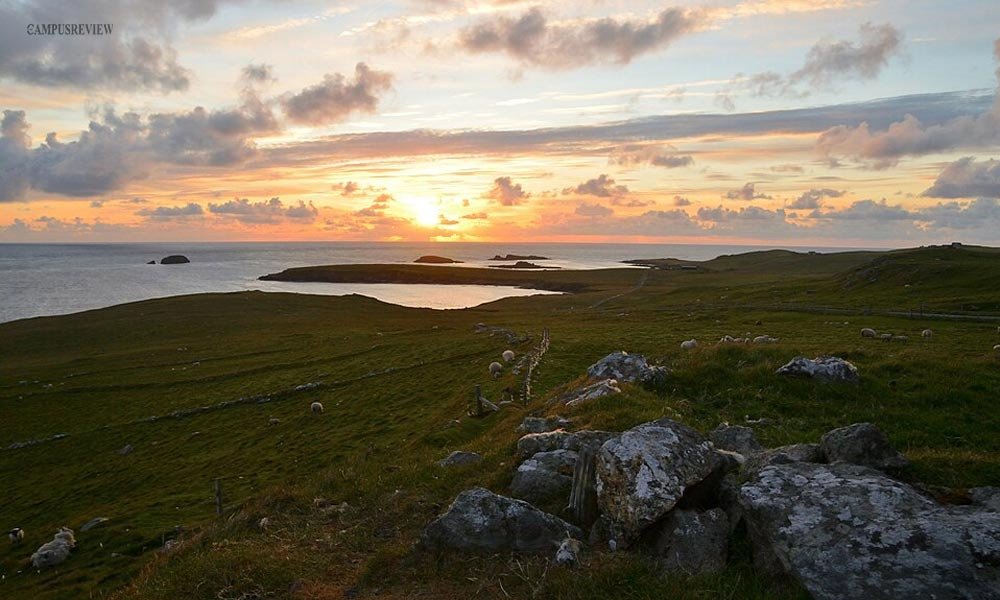
Area: 209,331 km² (80,823 sq mi)
Location: Eastern North Atlantic Ocean, northwestern Europe
Wildlife and Animals: Great Britain is home to red deer, red foxes, European badgers, hedgehogs, otters and grey seals. Its woodlands, grasslands and coastal habitats support diverse bird species, including puffins and golden eagles.
Great Britain is the largest island in Europe. England, Scotland and Wales share it. Unlike the polar giants, it is green and crowded.
The North Atlantic Current keeps the climate mild, so farms and cities thrive. Britain once joined mainland Europe. Rising seas flooded the land bridge, called Doggerland, around 6000 BCE.
10. Ellesmere Island
Area: 196,236 km² (75,767 sq mi)
Location: High Canadian Arctic, Nunavut, Canada
Wildlife and Animals: Ellesmere Island is home to Arctic wolves, Arctic foxes, musk oxen, Peary caribou, polar bears and Arctic hares. Its icy coastline also supports seals and migratory seabirds.
Ellesmere Island is the northernmost large island in the Canadian Arctic. The narrow Nares Strait separates it from northwestern Greenland. Quttinirpaaq National Park protects a large part of the island.
Barbeau Peak, at 2,616 meters, is the highest point in eastern North America. The climate is a polar desert, so very little rain or snow falls. Only a few people live here, in the Inuit community of Grise Fiord and at the Alert station.
Why Is Australia Not Considered an Island?
Australia is not an island because it is a continent. Geographers use the word island for landmasses smaller than a continent, and Australia is far too big.
Three facts set Australia apart. First, it covers about 7.69 million square kilometers, which is more than three and a half times the size of Greenland. Second, it sits at the center of its own tectonic plate, the Australian Plate.
Third, it supports a whole continental wildlife realm, with kangaroos, koalas, and egg-laying mammals. People sometimes say “island continent” as a nickname. The formal label is still continent.
| Feature | Australia | Greenland |
| Status | Continent | Island (world’s largest) |
| Land area | About 7.69 million km² | About 2.17 million km² |
| Size vs Greenland | About 3.5 times bigger | Baseline |
| Tectonic plate | Center of the Australian Plate | Part of the North American Plate |
| Wildlife zone | Own continental realm | Arctic and polar zone |
Australia and New Guinea share the same continental shelf. That is why New Guinea, not Australia, holds the title of the second-largest island.
How Are Islands Formed?
Islands form in three main ways: continental separation, volcanic activity and coral growth. Most of the world’s largest islands are continental or volcanic.
Continental Islands
These are pieces of continents separated by rising sea levels or tectonic movements. Great Britain became an island when rising seas flooded the land bridge connecting it to Europe. Madagascar, Greenland, and Baffin Island are other examples.
Volcanic Islands
These islands form when underwater volcanic eruptions build up layers of lava until they rise above the ocean. They develop near tectonic plate boundaries or hotspots. Honshu and Sumatra have volcanic origins, while Hawaii is a famous hotspot example.
Coral Islands
Tiny marine animals called corals build reefs from calcium carbonate. Over time, coral growth and accumulated sand can create low-lying islands and atolls. These islands support unique marine ecosystems and are especially vulnerable to rising sea levels.
Understanding these habitats also helps explain the different [types of ecosystems] found across the world.
How Is Climate Change Changing the Largest Islands?
Climate change affects each type of island in a different way. Arctic islands lose ice. Tropical islands lose forest. Low coral islands face rising seas. Here is what the data show.
Greenland: The Ice Giant
Greenland ice sheet holds enough water to raise global sea level by about 7.4 meters if it all melted, according to NOAA. That would take centuries, but the loss has already started.
The Copernicus Climate Change Service reports that Greenland lost about 139 gigatonnes of ice in the 2025 hydrological year. A gigatonne equals one billion metric tons. This marked the 29th year in a row of net ice loss, and it raised global sea level by about 0.4 millimeters.
The 2025 loss was 9 percent below the average of about 152 gigatonnes a year, because extra snowfall softened the summer melt.
Climate change affects islands differently. Arctic islands face melting ice, tropical islands experience forest loss, and low-lying coral islands face rising sea levels.
Greenland: Melting Ice Sheet
Greenland’s ice sheet contains enough ice to raise global sea levels by about 7.4 metres if it melted completely.
According to Copernicus, Greenland lost approximately 139 gigatonnes of ice in 2025, marking its 29th consecutive year of net ice loss.
Climate Change Threats to Different Islands
| Island | Main climate change impact |
| Greenland | Melting ice sheet |
| Baffin, Victoria and Ellesmere | Shrinking glaciers |
| Borneo | Forest loss and rising temperatures |
| Low-lying coral islands | Rising sea levels |
Borneo has lost significant forest cover, mainly due to logging and plantations. This also threatens wildlife, including the critically endangered Bornean orangutan.
Rising sea levels are another major climate change concern. Copernicus estimates that every centimetre of sea-level rise puts around six million more people at risk of coastal flooding.
Interesting Facts About the World’s Largest Islands
Discover fascinating facts about the world’s largest islands, from Greenland’s massive ice sheet to Madagascar’s unique wildlife and Borneo’s tropical rainforests.
- The tallest cliff drop on Earth: Mount Thor on Baffin Island drops 1,250 meters (4,101 feet) and leans outward at about 105 degrees.
- An island in a lake on an island in a lake on an island: Victoria Island holds the world’s largest known third-order island, an unnamed patch of land of about four acres.
- A three-nation island: Borneo is the only island shared by three countries. Indonesia holds about 73 percent, Malaysia about 26 percent and Brunei about 1 percent.
- A heavy crown: The weight of Greenland’s ice has pushed the central land below sea level.
- A giant island lake: Nettilling Lake on Baffin Island covers about 5,542 square kilometers, which makes it the largest lake on any island.
- A supervolcano scar: Lake Toba in Sumatra fills a crater left by a massive eruption about 74,000 years ago. It is the largest volcanic lake in the world.
- The top of the world: Alert on Ellesmere Island sits only 817 kilometers from the North Pole. It is the northernmost permanently inhabited place on Earth.
- A war without bullets: In June 2022, Canada and Denmark settled the “Whisky War” over Hans Island. The deal created a 1.2-kilometer land border between Canada and Greenland.
- A Seven Summits peak: Climbers also know Puncak Jaya as Carstensz Pyramid. A team led by Austrian climber Heinrich Harrer made the first ascent in 1962.
- Home of the orangutan: Wild orangutans live only on Borneo and Sumatra.
Final Thoughts
Greenland leads the largest islands in the world by a wide margin, followed by New Guinea and Borneo. The list mixes frozen Arctic islands with warm tropical ones, and each type faces its own climate pressure. Keep the ranking table handy for quizzes and exams. Then pick one island and go deeper, such as Madagascar for wildlife or Honshu for volcanoes.
Pranjal Kharche
Frequently Asked Questions
1. Which is the largest island in the Mediterranean Sea?
Sicily is the largest island in the Mediterranean, with about 25,700 km². It belongs to Italy.
2. Which is the largest island in the Caribbean?
Cuba is the largest island in the Caribbean. It covers roughly 110,000 km².
3. Which is the largest island in the United States?
The Island of Hawaii, also called the Big Island, is the largest US island, with about 10,400 km².
4. What is the largest island in a freshwater lake?
Manitoulin Island in Lake Huron, Canada, holds that title. It covers about 2,800 km².
5. Which of the largest islands has the most people?
Honshu has the most people on the top 10 list, with more than 100 million residents. Only Java in Indonesia has more people than any other island.