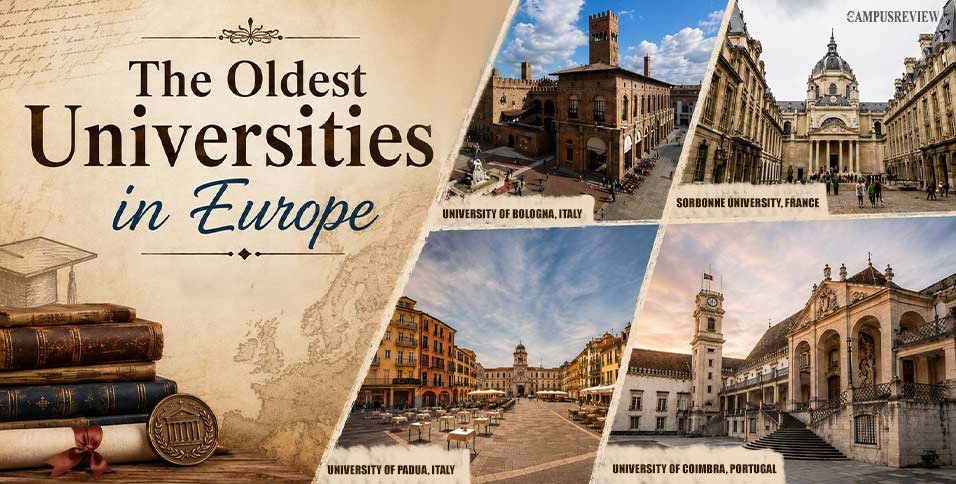
Before Wi-Fi, before lecture halls with projectors, before “campus tours” were even a thing, scholars were sitting in rented rooms, arguing about law, medicine, and the stars. Some of these gatherings grew into universities. And here’s the wild part: a few of them are still open in Europe. You could enroll in one this year!
Founded between the 11th and 15th centuries, these ancient universities helped shape modern education through their degree systems, teaching methods, and academic traditions.
From Bologna and Oxford to Cambridge and Salamanca, these oldest universities in Europe remain active centers of learning with strong global reputations.
In this guide, you’ll find out:
- Which are the oldest universities in Europe, and are they still running
- The history behind each one
- Their famous alumni, from kings to Nobel laureates
- Whether they’re still worth applying to in 2026
Let’s start with a question almost everyone gets wrong.
What Actually Makes a University “Old”?
Many people assume the oldest centers of learning automatically qualify as universities. For example, Plato’s Academy in Athens and Nalanda in ancient India are older than every institution on this list. So why aren’t they included among the oldest universities in Europe?
Because a university isn’t just a place where smart people taught things, historians and bodies like UNESCO use a few specific markers:
- It had to function as a self-governing body, with students or professors organizing their own degrees, exams, and rules, not just a teacher with a few followers.
- It needed continuous, recognized operation, not a school that opened, closed, and vanished centuries ago.
- It awarded actual degrees that were recognized beyond one city or kingdom, often through a royal charter or a papal bull.
With that cleared up, let’s meet the oldest higher education institutions in Europe, in the order they were founded.
List of The 15 Oldest Universities in Europe Still Operating
| Rank | University | Country | Founded |
| 1 | University of Bologna | Italy | 1088 |
| 2 | University of Oxford | England, UK | c. 1096 |
| 3 | Sorbonne University* | France | Roots in the 1150s |
| 4 | University of Cambridge | England, UK | 1209 |
| 5 | University of Salamanca | Spain | 1218 |
| 6 | University of Padua | Italy | 1222 |
| 7 | University of Naples Federico II | Italy | 1224 |
| 8 | University of Siena | Italy | 1240 |
| 9 | University of Coimbra | Portugal | 1290 |
| 10 | Charles University | Czech Republic | 1348 |
| 11 | Jagiellonian University | Poland | 1364 |
| 12 | University of Vienna | Austria | 1365 |
| 13 | Heidelberg University | Germany | 1386 |
| 14 | Leipzig University | Germany | 1409 |
| 15 | University of St Andrews | Scotland, UK | 1410–1413 |
*Modern Sorbonne University was established in 2018, but its academic roots trace directly to the historic University of Paris, founded in the mid-12th century.
15 Oldest Universities in Europe
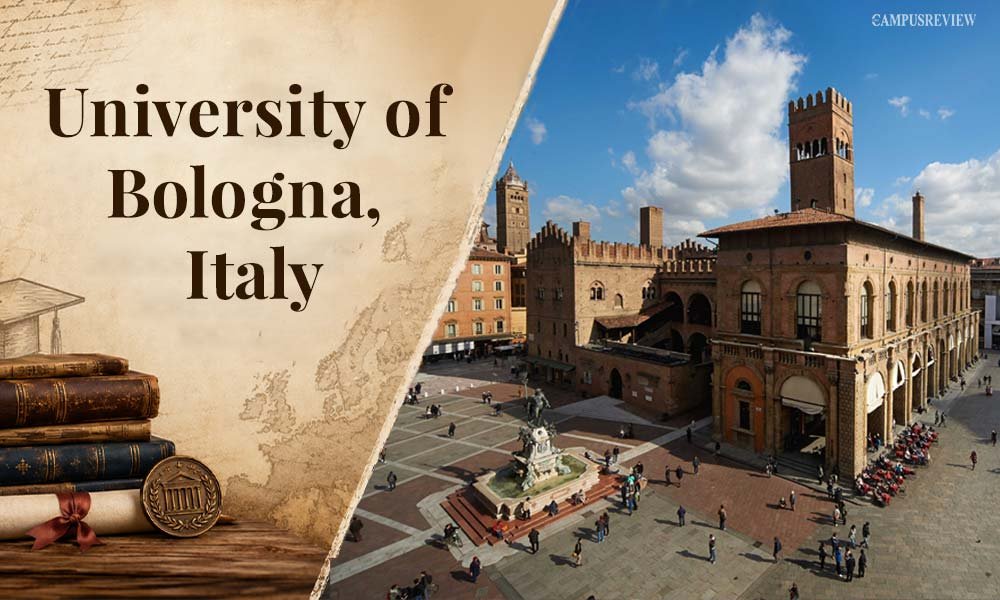
1. University of Bologna, Italy (Founded 1088)
Why It Stands Out
Founded in 1088, the University of Bologna is widely recognized as the oldest university in continuous operation in the Western world. It became a leading center for the study of law at a time when Europe needed experts to interpret Roman and canon law.
Bologna also helped shape the modern university system through its unique student-led model. Unlike most institutions of the time, students had significant control over academic life.
They could hire professors, negotiate salaries, and even fine lecturers for missing classes. This level of student influence was highly unusual in the medieval world and helped make Bologna a model for universities across Europe.
Famous Alumni
- Nicolaus Copernicus developed the heliocentric theory, which transformed our understanding of the solar system.
- Guglielmo Marconi pioneered wireless communication and won the Nobel Prize in Physics for his work on radio technology.
- Umberto Eco became one of Italy’s most celebrated writers and gained worldwide fame through his novel The Name of the Rose.
Fun Fact
In the 13th century, Bettisia Gozzadini became one of the first known female law professors in Europe. Her lectures attracted such large crowds that they were sometimes held in public squares rather than university halls.
Can You Study Here Today?
Yes. The University of Bologna remains one of Europe’s leading public research universities. It enrolls more than 97,000 students across several campuses and even operates an international branch in Buenos Aires.
The university is particularly known for its strengths in law, medicine, humanities, and artificial intelligence. It also hosts more than 11,000 international students from countries such as China, Iran, and Turkey, making it a popular destination for students from around the world.
2. University of Oxford, England (Teaching Since c. 1096)
Why It Stands Out
Teaching at the University of Oxford dates back to around 1096, making it the oldest university in the English-speaking world.
The university grew rapidly after 1167, when King Henry II banned English students from studying at the University of Paris, encouraging scholars to continue their education in Oxford instead.
Over time, Oxford developed into one of the world’s most influential centers of learning. It is especially known for its collegiate system and tutorial model, where students learn through small-group and one-on-one discussions with leading academics.
Famous Alumni
- Indira Gandhi served as India’s first and only female Prime Minister and became one of the country’s most influential political leaders.
- J.R.R. Tolkien wrote The Hobbit and The Lord of the Rings, creating one of the most successful fantasy worlds in literary history.
- Bill Clinton became the 42nd President of the United States after studying at Oxford as a Rhodes Scholar.
Fun Fact
Oxford’s oldest known graduating student was Gertrud Seidmann, who earned a graduate certificate at the age of 91, proving that learning truly has no age limit.
Can You Study Here Today?
Yes. Oxford remains one of the world’s most prestigious universities and consistently ranks among the global top three. Admission is highly competitive and takes place through the UCAS system and Oxford’s individual colleges.
The university is especially known for its strengths in PPE (Philosophy, Politics and Economics), law, medicine, classics, and the sciences.
More than 40% of its students and staff come from over 140 countries, creating a highly international academic community.
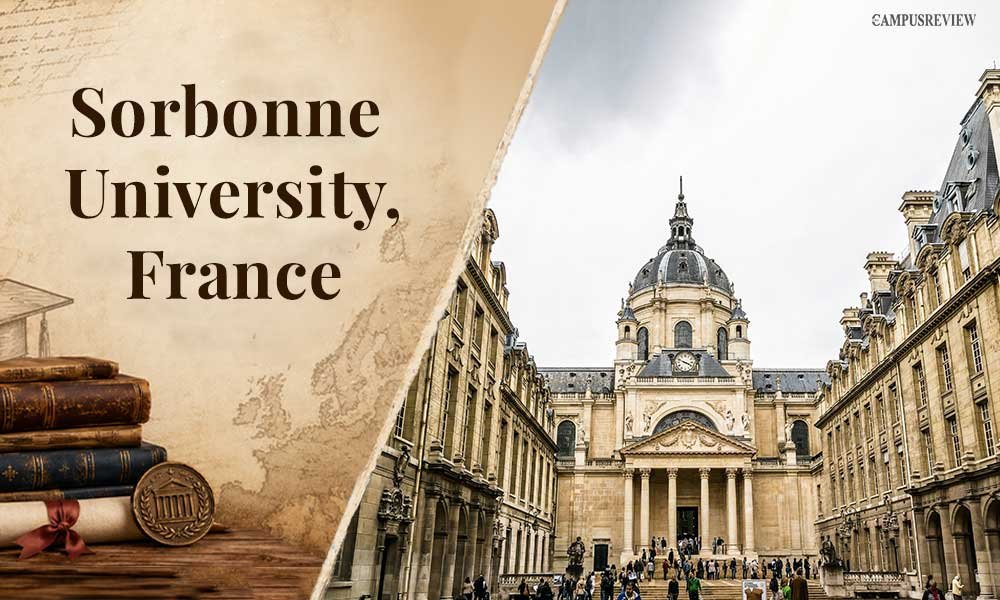
3. Sorbonne University, France (Roots in the 1150s)
Why It Stands Out
Founded in the mid-12th century, Sorbonne University traces its origins to the historic University of Paris, one of the oldest and most influential universities in Europe.
It was established to advance higher learning in theology, philosophy, and the liberal arts, becoming a major intellectual center during the Middle Ages.
Today, the Sorbonne combines its rich academic heritage with world-class research in science, medicine, and the humanities, making it one of France’s leading universities.
Famous Alumni
- Marie Curie won two Nobel Prizes and helped pioneer research on radioactivity, transforming modern physics and medicine.
- Jean-Paul Sartre became one of the 20th century’s most influential philosophers and writers, shaping existentialist thought.
- Simone de Beauvoir challenged social norms through her writing and became a leading voice in modern feminism.
Fun Fact
Marie Curie became the first woman to teach at the Sorbonne, continuing her research on radium after the death of her husband, Pierre Curie.
Can You Study Here Today?
Yes. Sorbonne University is a leading public research university located in Paris’s famous Latin Quarter. It offers undergraduate, master’s, and doctoral programs under France’s affordable public university system.
The university is particularly known for humanities, philosophy, medicine, chemistry, and physical sciences. Around 25% of its students come from outside France, creating a diverse international learning environment.
4. University of Cambridge, England (Founded 1209)
Why It Stands Out
The University of Cambridge was founded in 1209 when a group of scholars left Oxford after violent disputes with local residents. Over the centuries, it grew into one of the world’s most influential universities and a leading center for scientific discovery.
The university’s famous Cavendish Laboratory helped shape modern physics and molecular biology, contributing to breakthroughs such as the discovery of the electron, the splitting of the atom, and the structure of DNA.
Today, Cambridge remains one of the most prestigious historic universities and one of the oldest universities in Europe, still operating.
Famous Alumni
- Isaac Newton developed the laws of motion and gravity, laying the foundation for modern physics.
- Charles Darwin revolutionized biology through his theory of evolution by natural selection.
- Alan Turing helped crack Nazi codes during World War II and became a pioneer of modern computing.
Fun Fact
Poet John Milton is believed to have written parts of his famous poem Lycidas beneath a mulberry tree at Christ’s College. Remarkably, the tree still stands today.
Can You Study Here Today?
Yes. The University of Cambridge operates through 31 colleges and continues to rank among the top five universities in the world. It is particularly renowned for mathematics, theoretical physics, molecular biology, biochemistry, and economics.
As one of the world’s oldest higher education institutions, Cambridge attracts talented students and researchers from across the globe while maintaining its centuries-old collegiate tradition.
5. University of Salamanca, Spain (Founded 1218)
Why It Stands Out
Founded in 1218 by King Alfonso IX, the University of Salamanca grew into one of Europe’s most influential centers of learning.
During the Spanish Golden Age, its scholars helped shape important debates on international law, economics, human rights, and global exploration, giving the university a lasting influence across Europe and Latin America.
Famous Alumni
Its influence spread far beyond Spain, helping shape education and intellectual thought across Europe and Latin America for centuries.
- Miguel de Unamuno became one of Spain’s most influential philosophers, writers, and educators.
- Hernán Cortés studied law at Salamanca before leading the Spanish expedition that conquered the Aztec Empire.
- Adolfo Suárez studied here before becoming Spain’s first democratically elected Prime Minister after the Franco era.
Fun Fact
According to university tradition, students who find the tiny frog carved into the university’s ornate façade are said to enjoy good luck in their studies and exams.
Can You Study Here Today?
Yes. The University of Salamanca remains one of Spain’s most respected public universities, enrolling tens of thousands of students each year. It is particularly known for law, humanities, Spanish language studies, economics, and social sciences.
The university attracts a large number of international students, especially those interested in studying Spanish in one of Europe’s most iconic academic settings.
Can You Study Here Today?
Yes. St Andrews is a highly selective public research university with an acceptance rate of just over 8%, making it one of the most competitive universities in the UK. The university is particularly known for international relations, history, chemistry, physics, English, and art history.
More than 45% of its students come from outside the UK, creating a truly global learning environment. For international students seeking a prestigious university with centuries of tradition and outstanding student satisfaction, St Andrews remains one of the strongest choices in Europe.
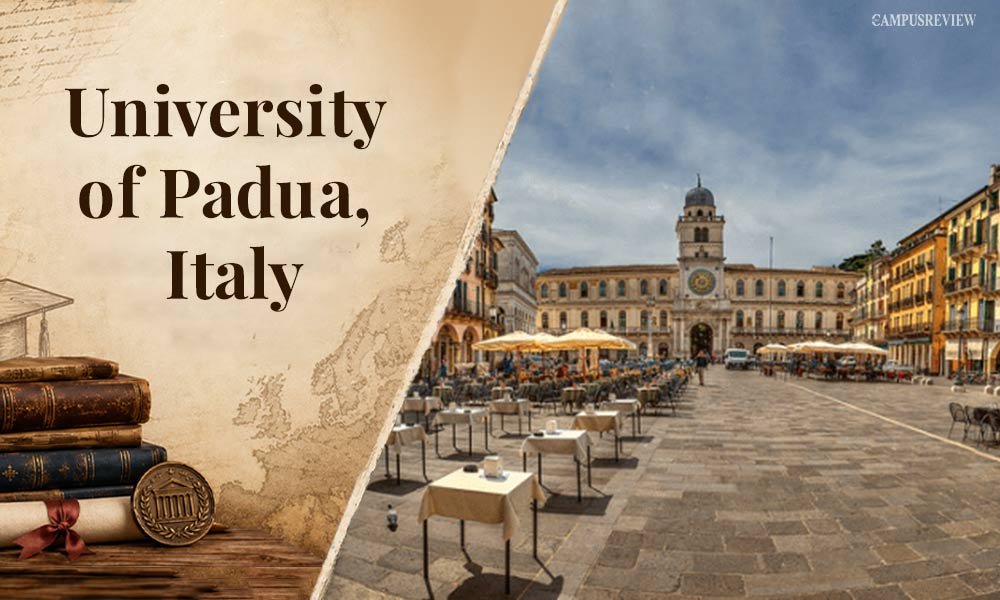
6. University of Padua, Italy (Founded 1222)
Why It Stands Out
The University of Padua was founded in 1222 when nearly 1,000 students and professors left Bologna in search of greater academic freedom. Under the protection of the Venetian Republic, Padua became a center of scientific discovery where scholars could pursue research with fewer restrictions.
Its commitment to Libertas Patavina (Paduan Freedom) helped make it one of the universities that shaped modern education and a leading force during the Italian Renaissance.
Famous Alumni
- Nicolaus Copernicus developed the heliocentric theory, changing humanity’s understanding of the solar system.
- Andreas Vesalius transformed the study of human anatomy through detailed scientific observation and research.
- William Harvey discovered how blood circulates through the body, laying the foundation for modern physiology.
Fun Fact
The University of Padua is home to Europe’s oldest permanent anatomical theatre, built in 1595. Medical students once gathered there to watch human dissections by candlelight.
Can You Study Here Today?
Yes. The University of Padua is one of Italy’s leading public universities, with more than 70,000 students and over 7,000 international students.
It is especially known for psychology, veterinary sciences, physics, medicine, anatomy, and astronomy. As one of the oldest universities in Europe still operating, Padua continues to attract students from around the world who want to study at a university with a rich academic heritage and a strong research reputation.
7. University of Naples Federico II, Italy (Founded 1224)
Why It Stands Out
The University of Naples Federico II is one of the oldest universities in Europe and the world’s first state-supported, non-religious public university.
Holy Roman Emperor Frederick II founded it in 1224 to educate civil servants, legal experts, and administrators for his kingdom.
Unlike many medieval institutions, the university operated independently of church control, making it one of the historic universities that helped shape modern higher education.
Famous Alumni
- Saint Thomas Aquinas became one of the most influential philosophers and theologians in Western history.
- Giambattista Vico developed pioneering ideas about history and society that continue to influence modern social sciences.
- Samantha Cristoforetti became Italy’s first female astronaut and one of Europe’s most accomplished space explorers.
Fun Fact
Saint Thomas Aquinas studied at Naples as a young scholar and later returned to teach theology at the same university, strengthening its rich academic heritage.
Can You Study Here Today?
Yes. Today, Naples Federico II is one of Italy’s largest public universities, with more than 80,000 students and 26 academic departments. It offers over 170 degree programs, including English-taught courses in medicine and engineering.
The university is especially known for aerospace engineering, industrial bioengineering, medicine, and economics.
As one of Europe’s oldest higher education institutions, it continues to attract international students looking for a combination of academic excellence, affordability, and centuries of educational tradition.
8. University of Siena, Italy (Founded 1240)
Why It Stands Out
Founded in 1240, the University of Siena was established as the city of Siena sought to strengthen its position as a political, cultural, and economic rival to nearby Florence.
Unlike many medieval universities, it was funded by local taxes rather than the church or royal rulers, giving it greater independence and helping attract scholars from across Europe.
In 1355, Siena received the status of Studium Generale, allowing its degrees to be recognized throughout Europe and cementing its reputation as an important center of higher learning.
Famous Alumni
- Pope John XXI studied medicine and philosophy before becoming one of the few physicians to lead the Catholic Church.
- Norberto Bobbio became one of Italy’s most influential political philosophers and legal scholars.
- Gianna Nannini rose to international fame as one of Italy’s most successful singer-songwriters.
Fun Fact
Nearly one-third of Siena’s entire population consists of university students, giving the city one of the most vibrant student communities among Europe’s oldest higher education institutions.
Can You Study Here Today?
Yes. The University of Siena is a public research university offering undergraduate, postgraduate, and integrated degree programs across 15 departments.
It is particularly known for archaeology, classics, dentistry, medicine, law, and environmental sciences.
As one of Italy’s most respected historic universities, it attracts international students from around the world and is recognized for having one of the strongest international environments in the country.
9. University of Coimbra, Portugal (Founded 1290)
Why It Stands Out
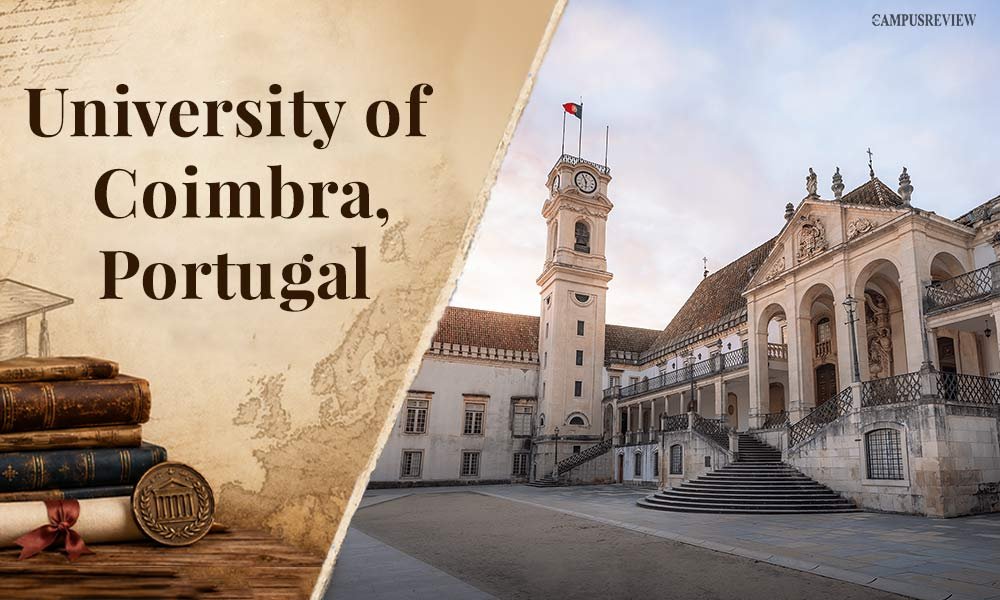
Founded in 1290, the University of Coimbra is one of the oldest universities in Europe and one of Portugal’s most important academic institutions. For centuries, it was the only university in the Portuguese Empire, educating generations of lawyers, government officials, scholars, and religious leaders.
Its influence on education, law, and public administration extended across several continents. Today, Coimbra is known for its rich academic heritage, historic traditions, and stunning campus, which includes the famous Joanina Library with more than 300,000 rare books.
The university’s historic center is recognized as a UNESCO World Heritage Site, reflecting its lasting impact on higher education and European intellectual history.
Famous Alumni
- Luís de Camões wrote Os Lusíadas, the epic poem widely regarded as Portugal’s greatest literary work.
- Egas Moniz won the Nobel Prize in Medicine for his pioneering contributions to neuroscience.
- Marcelo Rebelo de Sousa studied at Coimbra before becoming the President of Portugal.
Fun Fact
The traditional black capes worn by Coimbra’s students are believed to have inspired J.K. Rowling’s vision for the robes worn by students at Hogwarts.
Can You Study Here Today?
Yes. The University of Coimbra remains Portugal’s leading public research university, with more than 29,000 students studying across three campuses. It is particularly known for law, classics and ancient history, petroleum engineering, anthropology, and archaeology.
The university also attracts students from over 100 countries, making it a popular choice for international students seeking a degree at one of Europe’s most historic centers of learning.
10. Charles University, Czech Republic (Founded 1348)
Why It Stands Out
Charles University holds a special place among the oldest universities in Europe as the first university established in Central Europe.
Founded by Holy Roman Emperor Charles IV in 1348, it quickly became a major center of learning and intellectual debate.
The university later played a pivotal role in the Czech Reformation through the work of Jan Hus, whose calls for religious reform shaped European history and influenced generations of scholars.
Famous Alumni
- Franz Kafka became one of the most influential writers of the 20th century, known for works such as The Trial and The Metamorphosis.
- Milan Kundera gained international recognition through novels that explored politics, identity, and life under communist rule.
- Tomáš Garrigue Masaryk studied at Charles University before becoming the first President of Czechoslovakia.
Fun Fact
In 1409, a dispute over university voting rights prompted thousands of German-speaking students and professors to leave Prague and establish what would become the University of Leipzig.
Can You Study Here Today?
Yes. Charles University is now one of Europe’s largest and most respected public research institutions, with more than 54,000 students across 17 faculties.
It offers nearly 1,000 study programs and is particularly known for medicine, law, philosophy, chemistry, mathematics, and theoretical physics.
The university also welcomes a diverse community of international students from more than 130 countries, making it one of Central Europe’s most globally connected academic institutions.
11. Jagiellonian University, Poland (Founded 1364)
Why It Stands Out
Founded in 1364 by King Casimir III the Great, Jagiellonian University is the oldest university in Poland and one of the most prestigious universities in Central Europe.
It grew into a major center of learning during the Renaissance, attracting scholars from across the continent. The university played an important role in the development of science and became one of the first institutions in Europe to establish dedicated chairs in mathematics and astronomy, helping turn Kraków into a leading hub of scientific discovery.
Famous Alumni
- Nicolaus Copernicus studied here before developing the heliocentric theory that changed humanity’s view of the universe.
- Pope John Paul II attended the university and later became one of the most influential religious leaders of the modern era.
- Wisława Szymborska won the Nobel Prize in Literature for her insightful and widely celebrated poetry.
Fun Fact
During World War II, Nazi forces closed the university, but professors continued teaching in secret through an underground network known as the “Secret Jagiellonian University.”
Can You Study Here Today?
Yes. Jagiellonian University remains one of Poland’s most prestigious universities, with more than 43,000 students studying in Kraków.
It is especially known for medicine, astronomy, mathematics, pharmacy, and European studies. The university also attracts a growing number of international students, particularly through its English-taught medical programs.
For students interested in studying at a university with centuries of scientific achievement and a strong global reputation, Jagiellonian continues to stand out among Europe’s enduring centers of learning.
12. University of Vienna, Austria (Founded 1365)
Why It Stands Out
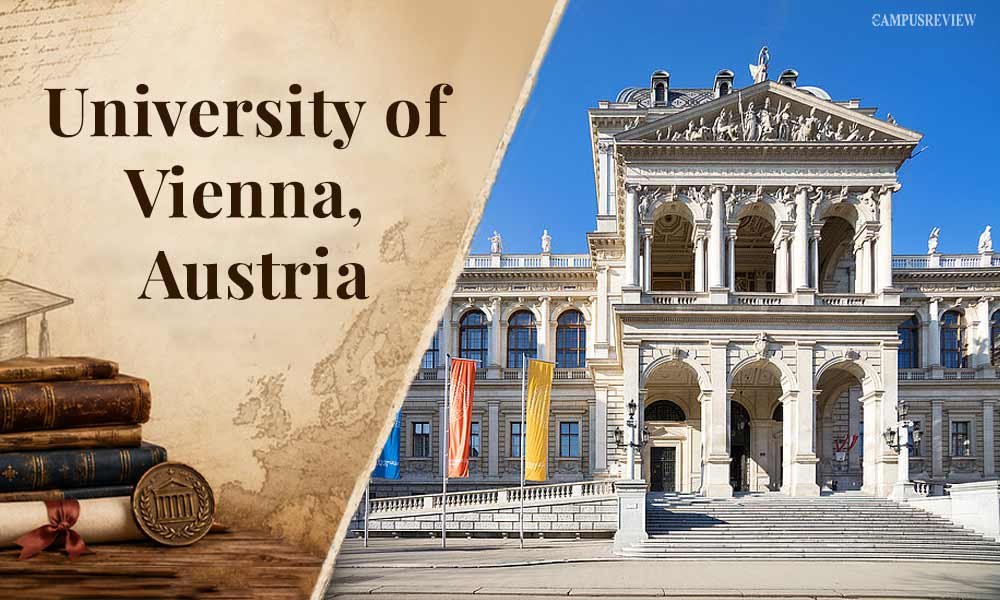
Founded in 1365 by Duke Rudolf IV, the University of Vienna is the oldest university in the German-speaking world. Rudolf established the university to give Austria its own major center of higher learning and to rival the growing influence of Charles University in Prague.
Over the centuries, Vienna developed into one of Europe’s leading academic institutions, making important contributions to medicine, psychology, economics, and the sciences.
The university is closely linked to influential thinkers such as Sigmund Freud and the Austrian School of Economics, and its scholars have earned numerous Nobel Prizes.
Famous Alumni
- Sigmund Freud founded psychoanalysis and transformed the study of the human mind.
- Erwin Schrödinger won the Nobel Prize in Physics and helped shape the field of quantum mechanics.
- Friedrich Hayek received the Nobel Prize in Economics for his influential work on free markets and economic theory.
Fun Fact
The university was originally founded because Duke Rudolf IV wanted Austria to have a university that could compete with Charles University, which had been established by his father-in-law, Holy Roman Emperor Charles IV.
Can You Study Here Today?
Yes. The University of Vienna is Austria’s largest higher education institution, with more than 85,000 students and 185 degree programs.
It is particularly known for communication studies, political science, mathematics, ecology, and theology.
With more than 30% of its student body coming from abroad, it has become one of Europe’s most international universities and a popular choice for international students seeking a degree from a university with a long tradition of academic excellence.
13. Heidelberg University, Germany (Founded 1386)
Why It Stands Out
Founded in 1386 by Elector Rupert I, Heidelberg University was established to strengthen higher education within the Holy Roman Empire and provide advanced training in theology, law, medicine, and philosophy.
As Germany’s oldest university, it has played a major role in European scholarship for more than six centuries.
During the 19th century, Heidelberg became a leading center for scientific research, where Robert Bunsen and Gustav Kirchhoff developed spectral analysis, a breakthrough that transformed modern chemistry and physics.
Famous Alumni
- Georg Wilhelm Friedrich Hegel became one of the most influential philosophers in Western history, shaping modern political and philosophical thought.
- Hannah Arendt emerged as a leading political theorist whose work continues to influence debates on democracy, power, and human rights.
- Helmut Kohl studied at Heidelberg before becoming Chancellor of Germany and helping lead the country’s reunification.
Fun Fact
From 1778 to 1914, Heidelberg operated its own student prison known as the Studentenkarzer, where students could be detained for minor offenses such as public disturbances, pranks, or participating in duels.
Can You Study Here Today?
Yes. Heidelberg is a designated “University of Excellence” and consistently ranks among Germany’s top universities and within the global top 50 to 70.
The university is especially known for medicine, life sciences, physics, chemistry, philosophy, and law.
Around 15% to 20% of its students come from outside Germany, making it an attractive destination for international students seeking world-class research opportunities at one of Europe’s most respected academic institutions.
14. Leipzig University, Germany (Founded 1409)
Why It Stands Out
Leipzig University was founded in 1409 by scholars who left Charles University in Prague during a major academic and political dispute.
Over the centuries, it developed into one of the most influential centers of learning in the German-speaking world.
Its most famous contribution came in 1879, when Wilhelm Wundt established the world’s first laboratory for experimental psychology, helping transform psychology from philosophy into a modern scientific discipline.
Famous Alumni
- Johann Wolfgang von Goethe became Germany’s most celebrated writer and one of the leading figures of world literature.
- Friedrich Nietzsche challenged traditional ideas through his influential works on philosophy, morality, and culture.
- Angela Merkel studied in Germany before becoming the country’s first female Chancellor and one of Europe’s most influential political leaders.
Fun Fact
During the Battle of Leipzig in 1813, parts of the university were temporarily converted into military hospitals to care for wounded soldiers.
Can You Study Here Today?
Yes. Leipzig University is a leading public research institution with more than 31,000 students across 14 faculties. It offers over 150 degree programs and is particularly known for mathematics, physics, biology, experimental psychology, and biodiversity research.
The university also offers 45 programs taught entirely in English and welcomes a growing community of international students.
For those interested in studying at a university with deep intellectual traditions and a strong research culture, Leipzig remains one of Germany’s most respected academic destinations
15. University of St Andrews, Scotland (Founded 1410–1413)
Why It Stands Out
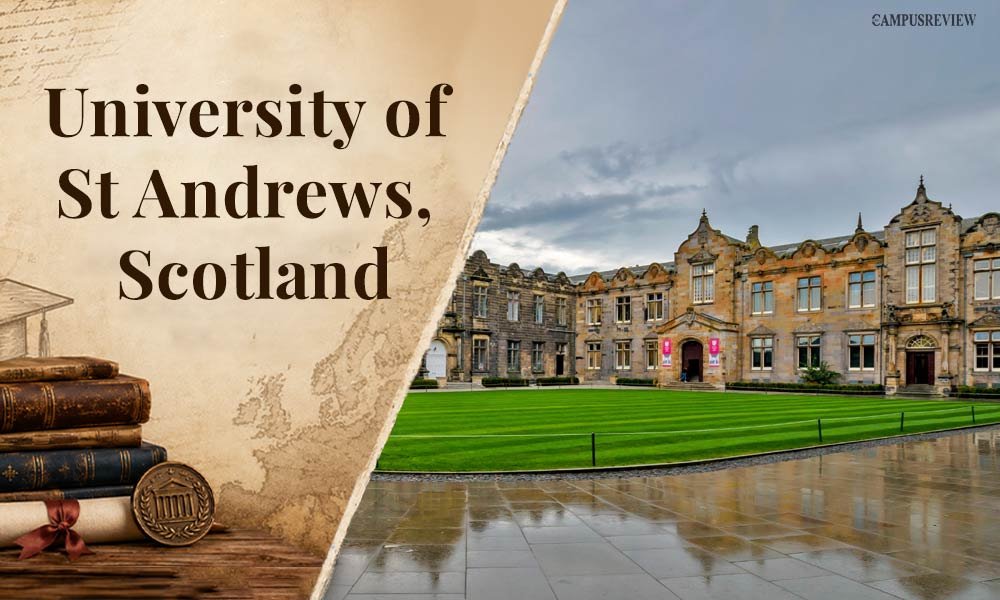
Founded between 1410 and 1413 by a group of scholars and clergy, the University of St Andrews is one of Scotland’s best universities and the third-oldest university in the English-speaking world.
It was established to bring higher education to Scotland at a time when students often had to travel abroad to study. Over the centuries, St Andrews has built a reputation for academic excellence, outstanding teaching, and one of the highest student satisfaction rates in the UK.
Despite its relatively small size, it consistently ranks alongside Oxford and Cambridge, making it one of the most respected and sought-after universities in the United Kingdom.
Famous Alumni
- Prince William studied art history at St Andrews and later met Catherine, Princess of Wales, during his time at the university.
- John Napier developed logarithms, a mathematical breakthrough that transformed scientific calculations.
- James Wilson became one of the Founding Fathers of the United States and played a key role in drafting the U.S. Constitution.
Fun Fact
Every November, students celebrate the famous Raisin Weekend, which ends with a giant shaving foam fight in the historic St Salvator’s Quad.
Can You Study Here Today?
Yes. St Andrews is a highly selective public research university with an acceptance rate of just over 8%, making it one of the most competitive universities in the UK.
The university is particularly known for international relations, history, chemistry, physics, English, and art history. More than 45% of its students come from outside the UK, creating a truly global learning environment.
For international students seeking a prestigious university with centuries of tradition and outstanding student satisfaction, St Andrews remains one of the strongest choices in Europe.
Why the World’s Oldest Universities Still Attract Students Today
These universities are more than historic landmarks. They continue to attract students because they combine centuries of academic tradition with modern teaching, research, and global opportunities.
- Global Reputation: Many remain among the world’s most respected universities.
- Academic Excellence: They helped shape modern education and continue to deliver high-quality teaching.
- Research Strength: Several continue to lead research in medicine, science, technology, and emerging fields such as artificial intelligence, with some ranking among the best AI universities.
- Historic Student Experience: Students study in centuries-old campuses, libraries, and academic communities.
- International Environment: Most welcome students from around the world and offer strong global networks.
Can International Students Study at These Historic Universities?
Yes. Most of these universities actively welcome international students.
- Admission requirements vary: Oxford and St Andrews are highly competitive, while universities such as Leipzig and Naples Federico II are generally more accessible.
- More English-taught programs: Many universities now offer English-language degrees, especially at master’s and doctoral levels.
- Scholarship opportunities: Funding options include Erasmus+, government scholarships, and university-specific awards.
- International support services: Dedicated teams help students with visas, accommodation, and campus life.
If you’re chasing a degree with built-in history and a genuinely global classroom, these prestigious universities are very much still in the game.
Final Thoughts
These aren’t dusty relics behind museum glass. The oldest universities in Europe are living, breathing campuses still teaching, still ranking among the world’s best, and still welcoming students from every corner of the globe.
Whether you’re drawn to Bologna’s nine centuries of legal scholarship, Oxford’s tutorial tradition, or St Andrews’ tiny, tight-knit community, one thing is clear: a university with a rich academic heritage like these can still be exactly where your story begins.
Pranjal Kharche
FAQs
1. What is the oldest university in the world?
The University of Bologna in Italy, founded in 1088, holds that title. It’s the oldest university in the world still in continuous operation.
2. Which is the oldest university still operating?
Bologna again. Older centers of learning existed elsewhere in history, but they don’t meet the formal definition of a university, a self-governing institution that awards recognized degrees. Bologna does, and it never stops.
3. Is Oxford older than Cambridge?
Yes. Teaching at Oxford existed by around 1096, roughly a century before Cambridge was founded in 1209 ironically, by scholars who fled Oxford itself.
4. Are the oldest universities in Europe affordable for international students?
Many are. Public universities such as Bologna, Padua, Siena, Coimbra, and Salamanca often have significantly lower tuition fees than private universities in the United States.
5. Which historic universities are best for international students?
St Andrews (45%+ international), Oxford and Cambridge (40%+ each), and the University of Vienna (around 30%) lead the pack for international student presence among Europe’s oldest higher education institutions.