The Campus Review
September 15, 2026
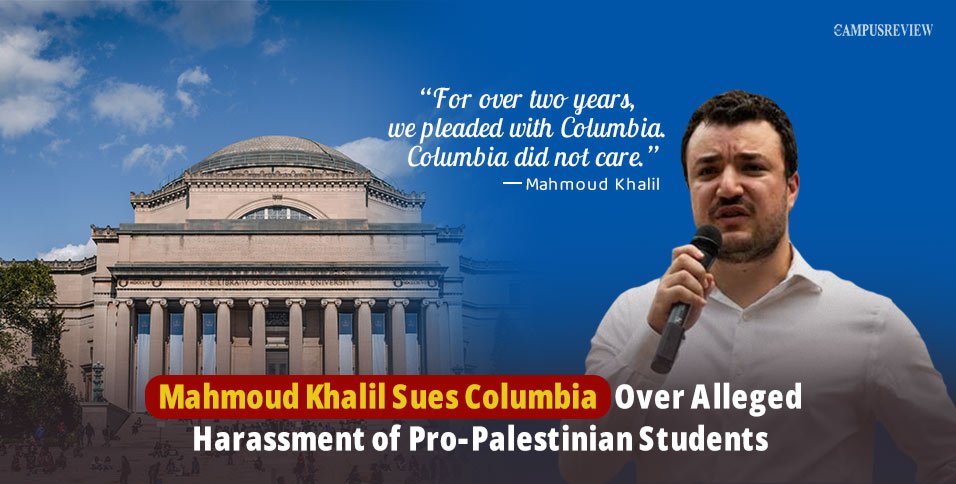
In a federal civil rights lawsuit filed on September 14, 2026, Mahmoud Khalil sues Columbia University over alleged harassment of pro-Palestinian students and activists. Khalil, a former Columbia graduate student, filed the lawsuit in the U.S. District Court for the Southern District of New York. The 60-page complaint accuses Columbia, its Board of Trustees and SIPA Dean Keren Yarhi-Milo of failing to adequately address severe harassment.
The Mahmoud Khalil lawsuit 2026 follows years of disputes over Columbia pro-Palestinian protests, student discipline and alleged doxxing. Khalil and other plaintiffs seek damages, restoration of the Palestine Working Group, campus access for Khalil and an order preventing similar conduct.
Key Information and Case Summary
| Case Detail | Case Record |
| Named Plaintiffs | Mahmoud Khalil, SIPA Palestine Working Group, Mohammad Zubairi, Bhavana Bellamkonda and other student plaintiffs |
| Defendants | Columbia University, Board of Trustees, Dean Keren Yarhi-Milo |
| Filing Court | U.S. District Court for the Southern District of New York |
| Filing Date | September 14, 2026 |
| Main Legal Claims | Title VI civil rights claims, breach of contract and other civil rights claims |
| Main Allegations | Failure to address harassment and doxxing, hostile campus environment, retaliation and surveillance |
| Requested Relief | Monetary damages, restoration of PWG, campus access for Khalil and injunctive relief |
Why Mahmoud Khalil Sues Columbia
Tensions at Columbia intensified after October 7, 2023, as Columbia pro-Palestinian protests expanded across campus. Columbia is one of the Ivy League schools, a group of highly selective universities in the United States. However, the lawsuit alleges that Khalil and other students had reported harassment to Columbia even before the October 2023 attacks, dating back to spring 2023.
The complaint alleges that pro-Palestinian students at Columbia faced escalating harassment as protests continued. It says an outside organization, Accuracy in Media, obtained photographs and names of Palestine Working Group members and displayed them on a truck near campus under hostile labels.
The plaintiffs also allege that students faced online harassment, threats, and doxxing. They say Columbia’s response was inadequate and that they repeatedly asked administrators for protection and intervention.
The complaint further alleges that Columbia used surveillance mechanisms, brought the New York Police Department onto campus during protests, and pursued disciplinary proceedings against student activists.
The 2025 ICE Arrest and Detention
Khalil served as a prominent negotiator and media representative during the 2024 student demonstrations. In March 2025, U.S. immigration agents arrested him in the lobby of his Columbia University residence. He was a lawful permanent resident at the time.
Khalil spent 104 days in immigration detention in Louisiana. His wife gave birth to their first child while he remained in custody.
He was released on June 20, 2025, after a federal judge ordered his release. A federal appeals court later found that the district judge lacked jurisdiction for that order. Khalil continues to fight government efforts to deport him.
The Columbia lawsuit does not claim that the university directly carried out his immigration detention. Instead, Khalil argues that Columbia’s conduct created campus conditions that exposed him to outside targeting.
“For over two years, we pleaded with Columbia. Columbia did not care,” Khalil said following the filing.
Title VI Claims Against Columbia
The Title VI lawsuit Columbia case raises several legal issues:
- Title VI Civil Rights Claims: The plaintiffs allege that Columbia created a hostile environment for students based on perceived Arab or Muslim ancestry and advocacy for Palestinian rights.
- Free Speech Concerns: The plaintiffs argue that Columbia’s disciplinary policies and treatment of pro-Palestinian demonstrations chilled protected expression on campus. These allegations also raise broader questions about campus free speech during periods of political unrest.
- Student Organization Suspension: Columbia indefinitely suspended the Columbia Palestine Working Group, formally known as the SIPA Palestine Working Group, in September 2025. The lawsuit challenges that suspension and seeks its reversal.
- Breach of Contract: The plaintiffs allege that Columbia breached contractual commitments related to its policies and promises concerning students’ learning environment and protections.
Columbia’s Anti-Doxxing Measures and Response
The Columbia University harassment allegations remain disputed. While the lawsuit argues that the university failed to respond adequately to student complaints, Columbia has also taken anti-harassment measures.
Dean Keren Yarhi-Milo publicly condemned doxxing campaigns. Columbia later formed an anti-doxxing task force and introduced a policy in 2025 prohibiting the malicious publication of personally identifying information across the campus community.
Columbia declined to comment directly on the lawsuit but issued a general statement:
“Creating a campus environment where every member of our community feels welcome, supported, and safe is fundamental to who we are as a University. Columbia is committed to protecting our community from discrimination and harassment, and responding promptly and appropriately when concerns arise.”
What Are the Plaintiffs Seeking?
The plaintiffs are asking the federal court for:
- Injunctive relief preventing similar retaliatory or indifferent conduct.
- Restoration of the Palestine Working Group after its indefinite suspension.
- Restoration of campus access for Khalil.
- Compensatory and punitive damages for alleged emotional distress and reputational harm.
End Note
The lawsuit could have implications for how colleges respond to politically sensitive campus activism.
It could test how federal civil rights law applies when students allege that a university failed to adequately respond to harassment tied to national origin or protected advocacy. As Mahmoud Khalil sues Columbia, the case could also examine university responsibility for student safety and the use of disciplinary policies during periods of campus unrest.
The allegations may also keep attention on Columbia student harassment and how universities respond when outside groups target students involved in controversial political movements.