The Campus Review
August 25, 2026
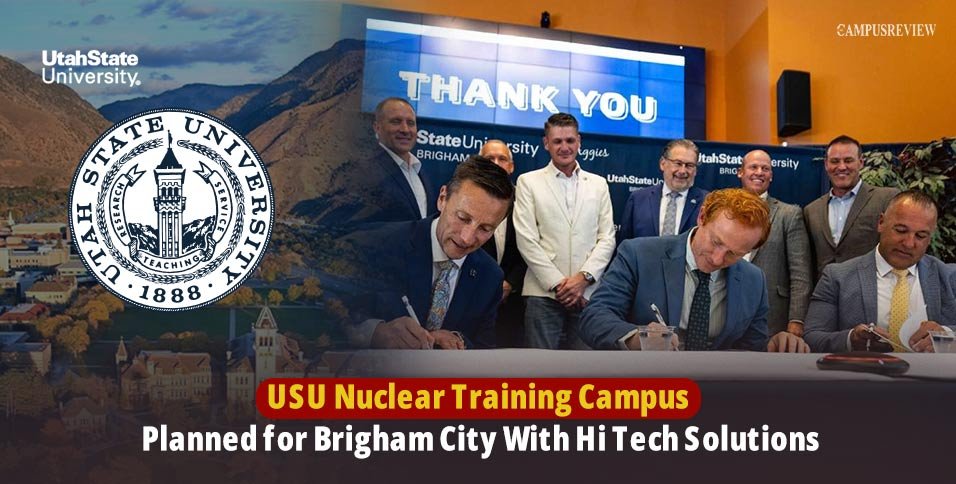
Utah State University (USU), Brigham City Corporation, and Hi Tech Solutions, LLC, have signed a memorandum of understanding to explore a new technical training and research campus focused on clean energy, workforce development, and advanced manufacturing.
The proposed USU nuclear training campus, envisioned as a collaborative Technical Training, Certification, and Research & Development (CERT) Campus, would prepare workers for high-demand roles in commercial power operations, national defense manufacturing, and emerging nuclear technology.
This public-private partnership aims to align university-level research with industry demands to train technicians, engineers, and transitioning military service members for regional energy careers.
Key Facts at a Glance
According to the official announcement released by Utah State University, the following table summarizes the scope of the proposed project:
| Project Attribute | Details and Specifications |
| Project Concept | Technical Training, Certification, and Research & Development (CERT) Campus |
| Partner Entities | Utah State University, Brigham City Corporation, and Hi Tech Solutions, LLC |
| Location | Brigham City, Box Elder County, Utah |
| Current Status | Preliminary evaluation, planning, and program design phase under an active MOU |
| Primary Focus | Nuclear energy training, applied technical workforce training, and industry research |
| Intended Learners | Undergraduate researchers, technical apprentices, skilled tradespeople, and military veterans |
| State Energy Goal | Aligns with Utah’s broader “Operation Gigawatt” energy expansion strategy |
Why Utah State University and Brigham City Are Joining Forces
Demand for continuous, carbon-free electricity from high-density data centers and modern factories has renewed national focus on nuclear power generation. Expanding nuclear facilities and deploying small modular reactors requires a reliable supply of certified specialists.
This university-industry partnership intends to address potential labor shortages directly. By connecting an established public research institution with a commercial nuclear services provider and local municipal leaders, the initiative explores a direct pathway from classroom instruction to industrial operations.
Primary Strategic Goals Under Evaluation:
- Accelerate Local Training: Provide credentialing opportunities for regional technicians, mechanics, and electricians.
- Expand Academic Breadth: Integrate practical field experience into nuclear engineering education and applied research programs.
- Support Defense Capabilities: Assist manufacturing and supply chain needs for naval propulsion and defense applications.
- Encourage Economic Growth: Attract private investment, specialized engineering jobs, and clean technology suppliers to northern Utah.
Inside the Facility: What the Proposed USU Nuclear Training Campus Would Offer
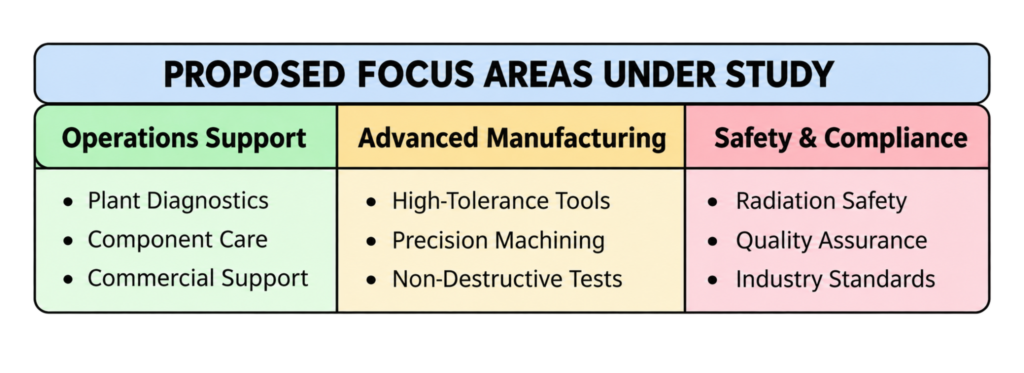
As planned, the proposed USU nuclear training campus would merge classroom instruction with industry-focused training and research environments.
Under the memorandum of understanding, the project is envisioned as a multi-facility complex where public and private partners share specialized spaces for both educational instruction and commercial testing.
The partners are assessing several operational focus areas for the final facility:
- Applied Nuclear Energy Training: Classroom and hands-on modules in commercial plant maintenance, system diagnostics, and operational support.
- Advanced Manufacturing and Tooling: Technical education covering precision fabrication, component inspection, and non-destructive testing for reactor systems.
- Applied Nuclear Technology Research: Academic and testing laboratories dedicated to materials evaluation, instrumentation, and advanced nuclear technology developments.
- Safety and Radiation Protection: Dedicated certification coursework covering industrial safety, radiological monitoring, and regulatory compliance standards.
Strengthening the Talent Pipeline: STEM and Nuclear Workforce Development
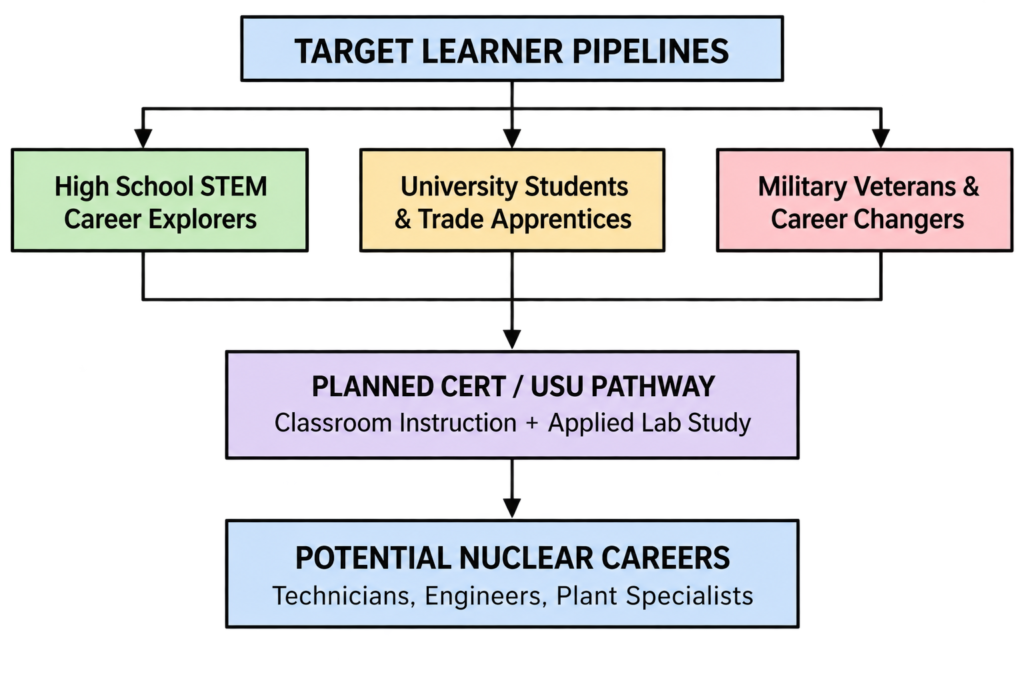
A central objective of the proposed facility is long-term nuclear workforce development. As experienced workers across the power industry reach retirement age, next-generation energy plants require updated electrical, digital, and mechanical proficiencies.
Potential Educational Pathways
According to program descriptions from project stakeholders, the campus aims to serve multiple groups seeking nuclear energy careers:
| Learner Category | Intended Program Format | Target Employment Pathway |
| High School Graduates | Practical Career & Technical Certificates | Electrical and Instrumentation Technicians |
| Skilled Tradespeople | Industry Credentialing & Upgrades | Specialized Fabricators, Maintenance Specialists |
| USU Degree Candidates | Undergraduate Practicums & Research | Applied Engineers, Materials Scientists |
| Military Veterans | Accelerated Bridge Programs | Operations Coordinators, Safety Specialists |
Project organizers also intend to support regional STEM workforce development by engaging local high school students in science, technology, and engineering pathways.
Aligning with “Operation Gigawatt”
The initiative fits into a larger state energy initiative. According to the Governor’s Office of Energy Development, Utah launched “Operation Gigawatt” in 2024 to double the state’s total electricity production by 2035.
| Research Collaboration | Clean Technology | Workforce Development |
| University partnerships and national labs | Advanced reactor siting studies, including SMRs | Proposed Brigham City CERT Education Campus |
| Supports nuclear research and innovation | Supports future clean-energy capacity | Builds technical skills for the emerging energy sector |
Utah is exploring advanced reactor technology, uranium supply chains, and industrial energy projects to expand power capacity without increasing emissions. Utah State University has also expanded its nuclear research and development through collaborative agreements with the Idaho National Laboratory contractor Battelle Energy Alliance.
The proposed Brigham City site represents an effort to support these state goals with a trained regional workforce.
Key Voices on the Announcement
Leaders from the university, local government, and industry shared their perspective on the project goals:
“This partnership reflects Utah State’s land-grant mission and our responsibility to help meet the evolving needs of our state. Working alongside Brigham City and Hi Tech Solutions, we have an opportunity to explore new approaches to technical training and research that prepare students for high-demand careers, support economic growth, and strengthen Utah’s leadership in energy and national defense.”
- Brad L. Mortensen, President, Utah State University
“The CERT Campus would expand hands-on training, certification, and applied research in nuclear operations, maintenance, safety, engineering, and advanced manufacturing. We are proud to bring together industry, higher education, and local government to strengthen Utah’s energy capabilities, increase economic growth, and help power America’s nuclear renaissance.”
- Chris Hayter, Co-Founder and Chief Operations Officer, Hi Tech Solutions
“Brigham City has a proud history of supporting national defense and advanced manufacturing. Partnering with Utah State University and Hi Tech Solutions positions our community at the very center of energy innovation for decades to come.”
- DJ Bott, Mayor, Brigham City
Next Steps for the Project
The signing of the memorandum of understanding begins a formal evaluation process. Over the coming months, Utah State University, Brigham City, and Hi Tech Solutions will study facility requirements, site plans, curriculum integration, and public-private funding models.
As power grids adapt to meet rising industrial needs, the proposed USU nuclear training campus highlights a cooperative model for technical education. By bringing higher education, local government, and private industry together early in the planning process, the partners hope to build a reliable talent pipeline for the clean energy sector.